JSX brings skip-the-terminal flying to the Bay Area
Semi-private carrier JSX will begin up to three daily flights between Santa Monica Airport (SMO) and Oakland International Airport (OAK) on September 14, 2026, the company announced this week. Oakland becomes the third year-round nonstop destination from SMO, joining Las Vegas and Scottsdale, according to reporting by The Points Guy.
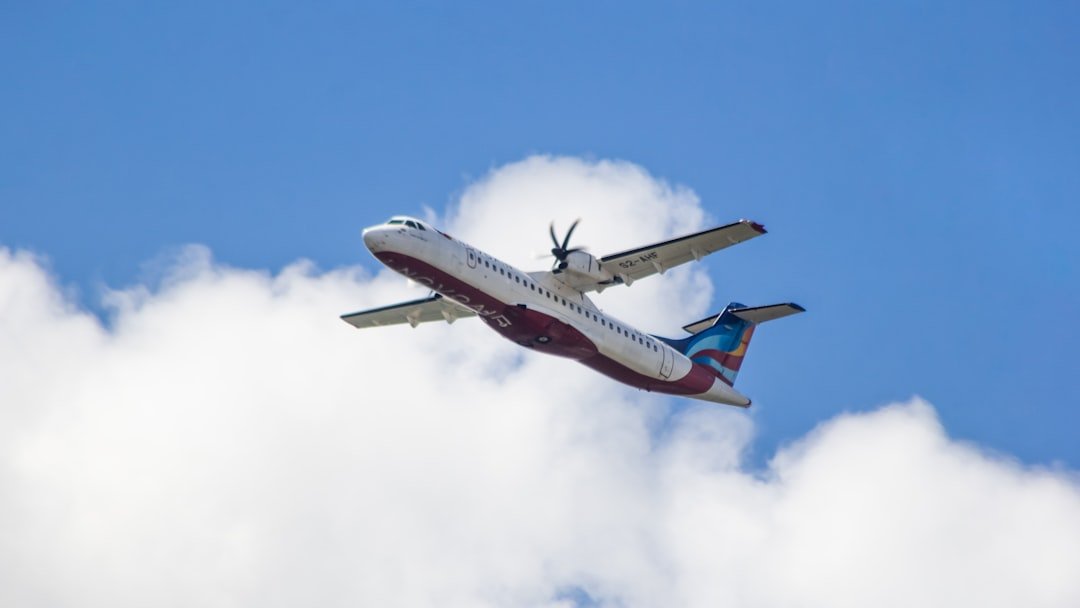
The new route will operate on 30-seat ATR 42-600 turboprops — the same aircraft type JSX has been deploying as it diversifies away from its Embraer jet fleet. Introductory one-way fares start at $149 and include at least two checked bags and onboard cocktails.
How JSX actually works
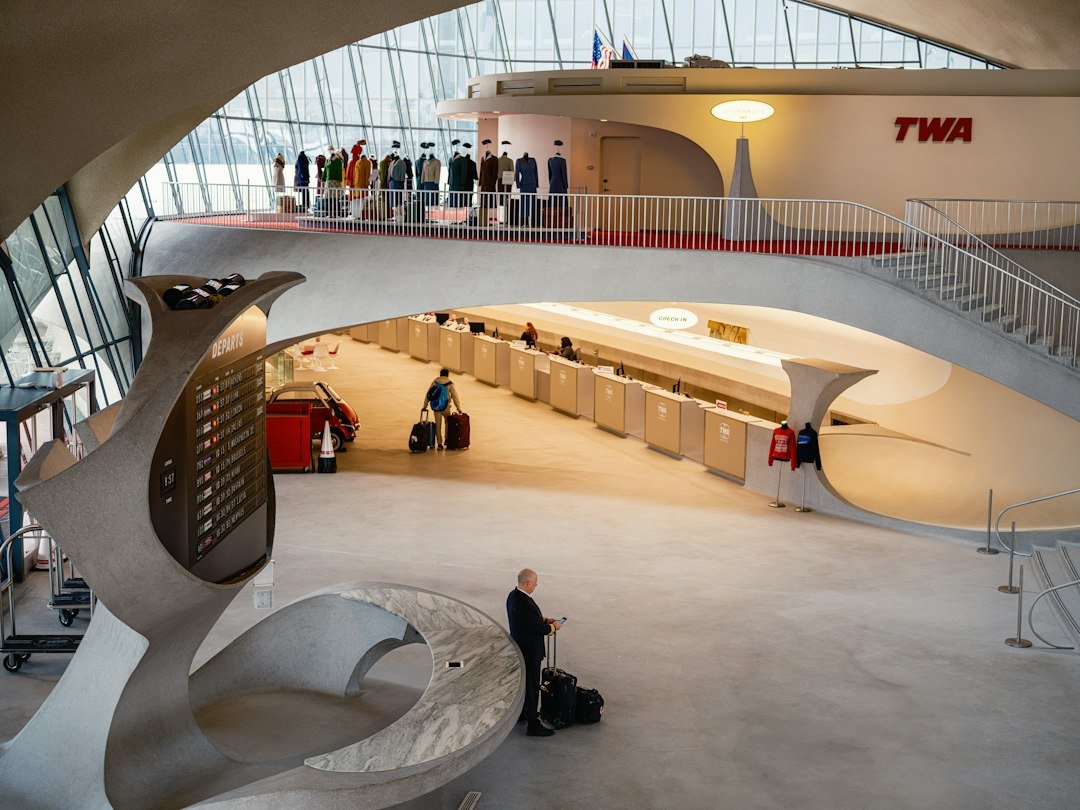
JSX operates as a public charter service — the legal entity is Delux Public Charter LLC — which is a meaningful distinction from both a full-service airline and a true private jet. Passengers do not go through the main terminal at either airport. Instead, JSX uses private FBO-style facilities where check-in is designed for arrival 20 to 30 minutes before departure, bypassing TSA queues and baggage carousels.
Santa Monica Airport is restricted to turboprop and propeller aircraft under local regulations, which is why the ATR 42-600 is the only jet-class-adjacent option available there. JSX had options for 25 additional ATR 42-600s from a tentative agreement announced at the Paris Air Show in 2025, with four of the type expected to be operational by end of this summer. On connectivity, the cabin carries Starlink high-speed Wi-Fi. On loyalty, United Airlines MileagePlus is the current earning partner; a JetBlue partnership that previously existed ended in February, per The Points Guy.
JSX CEO Alex Wilcox told The Points Guy: "I'm very optimistic, I'm very bullish. We have to see how all four go, we have to make sure the customers continue to love them, and importantly we have to make sure ATR supports them."
What this means for remote workers and nomads
The SMO-to-OAK segment runs approximately one hour and 20 minutes in the air, per Uncover LA's reporting, but the terminal experience is what makes it interesting for anyone who bills by the hour. On a legacy carrier, the same corridor still typically means two to three hours at a major airport: security lines, gate holds, crowded terminals. JSX's private-terminal model compresses that to roughly an hour of total ground time each way, which is a meaningfully different value proposition for people who treat travel as work time lost.
The $149 introductory fare is not cheap relative to Southwest or Alaska on the same corridor when sales are running, but it is competitive when you factor in two included checked bags — a cost that legacy carriers typically charge extra for. For nomads carrying camera gear, a laptop bag, and a full pack, the all-in math can flip.
The broader pattern JSX is building — point-to-point turboprop routes out of smaller, less-congested airports — aligns with how many location-flexible workers already think about travel: minimize friction, keep schedules predictable, and stay reachable. If you're already working from a well-equipped nomad kit and optimizing for fewer lost hours in transit, the SMO-OAK option from September is worth modeling into your California travel calendar.
Sources
JSX adds new Bay Area route from Santa Monica — The Points Guy, accessed June 28, 2026
Air carrier JSX announces flights between Oakland, Santa Monica starting September — Local News Matters, accessed June 28, 2026
JSX Launches $149 Flights from Santa Monica to Oakland — Uncover LA, accessed June 28, 2026
You Might Also Like

Travel + Remote Work Briefing — October 15, 2026

Travel + Remote Work Briefing — October 14, 2026

Travel + Remote Work Briefing — October 13, 2026