
Hotel Room Safety Routines for Long-Stay Nomads
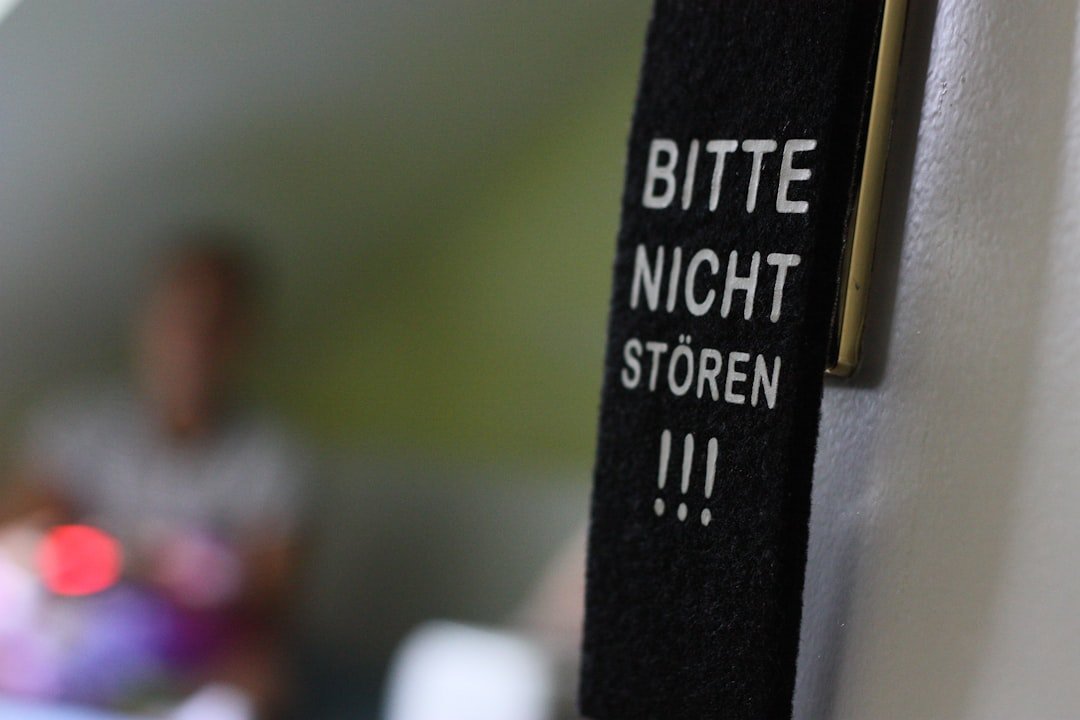
For most hotel guests, a safety checklist starts and ends with latching the deadbolt. For remote workers and digital nomads who spend weeks or months in a single room — working client calls from the desk, storing a laptop loaded with contracts, and treating a hotel as a functional office — the stakes of getting the room-entry routine wrong are considerably higher.
Ben Schlappig, a frequent traveler and the author behind One Mile at a Time, published his personal hotel safety approach on June 28, 2026. His framework is worth examining not just for its personal-safety logic, but for what it reveals about protecting a working setup from the moment you slide a key card through the lock.
What the frequent-traveler playbook actually looks like
Schlappig's starting position: use the deadbolt every single time you are inside the room. He argues that habit alone covers roughly 90% of realistic hotel security concerns, because most incidents — housekeeping mishaps, accidental entry, someone with a cloned card — are stopped cold by a physically engaged bolt.
Beyond that, his routine on arrival is methodical: announce yourself before stepping fully inside, then do a quick sweep of closets and under the bed before settling in. The key card pouch — that paper sleeve the front desk hands you with your room number written on it — should be discarded or obscured immediately. If you lose the pouch, anyone who finds it knows exactly which door to try.
Connecting doors between adjoining rooms get a specific check: the lock on your side should be engaged even if the adjacent room appears vacant. Schlappig also notes that in-room safes, while useful, are not completely secure.
The work-setup dimension frequent travelers rarely discuss
Personal safety and work security are different problems that share the same room. Reviewing guidance for nomads from security-focused travel resources, we found a consistent additional checklist: check the door, lock mechanism, and any window access points in the first 15 minutes after check-in, then identify a non-obvious location for storing a laptop when you step out. Security guides note the space under the bed is the first place a thief checks — the same furniture Schlappig flags for personal-safety sweeps.
Testing an in-room safe matters too, but with a specific question: does it require a user-set code, or does it reset to a factory default? If you cannot change the combination, the safe offers less protection than it appears to. For the laptop itself, full-disk encryption means a stolen device does not automatically mean stolen client data — the hardware is gone, but the files are not readable without credentials. Maintaining encrypted backups across at least two cloud providers gives a second recovery path that doesn't depend on whether the hotel's safe worked.
What this means for remote workers and nomads
The OMAAT piece frames hotel safety as a personal-comfort concern, but for people working remotely from accommodations across multiple countries, each new room is also an unvetted office. The dead-bolt-plus-arrival-sweep habit Schlappig describes maps neatly onto a broader check-in protocol: physical entry security first, then device security second.
The most actionable takeaway is that both problems are solved by routine, not by gear. A deadbolt you forget to use and an unencrypted drive you leave visible on a desk are equivalent failures. Nomads who stay in hotels for extended stretches benefit from treating the first 15 minutes of every check-in as a structured handover — not just asking "is this room safe to sleep in?" but "is this room safe to work in?"
Sources
How Concerned Are You About Hotel Room Safety? Here's My Approach… — One Mile at a Time, accessed June 28, 2026
Travel Safety for Digital Nomads: Securing Money, Cards, and Tech — Alpha Keeper, accessed June 28, 2026
You Might Also Like

Travel + Remote Work Briefing — October 15, 2026

Travel + Remote Work Briefing — October 14, 2026

Travel + Remote Work Briefing — October 13, 2026