
EU Biometric Border System Sparks Summer Queue Warnings
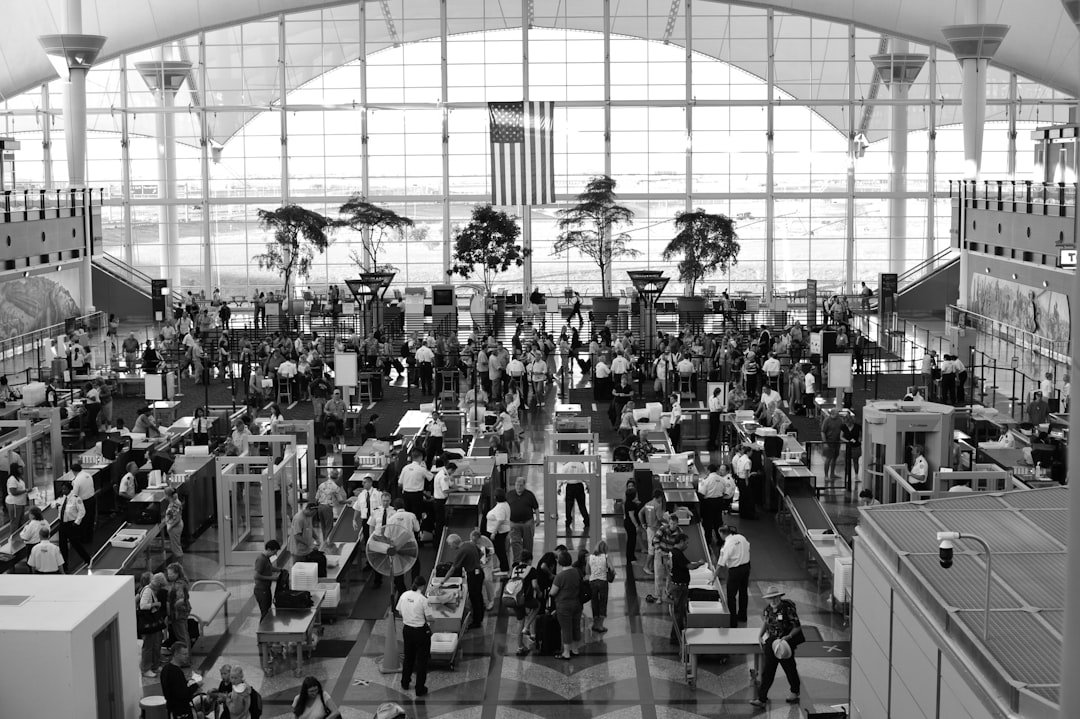
The European Union's Entry/Exit System (EES) went fully operational across 29 Schengen countries on April 10, 2026, replacing manual passport stamping with biometric scans at every land, air, and sea border. The system records non-EU travelers' fingerprints, facial images, entry and exit dates, and border crossing locations — and the opening day made clear that the technology is not yet keeping pace with passenger volumes.
At Milan's Linate airport on April 10, only 34 of 156 passengers boarded an easyJet flight to Manchester after hours-long queues stranded 122 others at the gate, according to Euronews reporting. One family caught up in the disruption spent over €1,800 on connecting flights to get home, arriving more than 24 hours late.
Airlines for Europe (A4E), which represents major European carriers, described the situation not as start-up friction but as "a systemic failure," and formally requested that the European Commission permit full or partial suspension of EES operations through the end of summer where necessary. A separate joint letter from A4E, the airport body ACI EUROPE, and IATA — sent on February 11, 2026, before the April rollout completed — had already warned the Commission that projected peak-season delays could reach four hours or more.
The European Commission has confirmed that member states may partially suspend EES operations for an additional 90-day period, with a possible 60-day extension to cover the summer peak, according to International Airport Review. The European Commission's own EES documentation notes that the system began a phased rollout on October 12, 2025, before reaching full deployment in April.
A note on terminology: EES is distinct from ETIAS, the separate EU travel authorisation (comparable to the US ESTA). According to the European Commission's ETIAS page, ETIAS is currently not in operation and will start operations in the last quarter of 2026. EES is about physical border crossing records; ETIAS will be an advance online authorisation for visa-exempt travelers. Both are part of the EU's Smart Borders package, but they operate independently.
What this means for remote workers and nomads
If you regularly hop in and out of Schengen — whether for visa runs, client visits, or simply because your base sits just outside the zone — EES is the system that affects you most directly. Every crossing is now a biometric event: fingerprints and a photo on entry, a matching check on exit, all logged to a central database. First-time registration takes longer than subsequent crossings, so your first Schengen entry post-April 2026 is the one most likely to add meaningful time to your border queue.
The practical consequence for the coming months is straightforward: budget extra time at passport control. If you connect through Paris CDG, Geneva, Vienna, Brussels, or any high-volume hub, add at minimum 60 to 90 minutes of buffer beyond what you would normally allow. Even where suspensions are in place they are partial — some lanes will still require full biometric capture.
The bigger structural point is that EES now automates enforcement of the 90-day-in-180-day Schengen rule that nomads already track manually. If you've relied on approximate counting, the system will be more precise. Reviewing the practical realities of the nomad lifestyle is a useful lens here: bureaucratic friction is part of the territory, and the travelers who navigate it best are the ones who build buffer into their itineraries before they need it. Getting your biometrics registered on a lower-stakes crossing — rather than on a tight connection — is exactly that kind of preparation.
Sources
A systemic failure: How the new Entry/Exit System brought chaos to EU border control — Euronews, accessed 2026-06-24
Airports and Airlines Call for Immediate Schengen Entry/Exit System Review — IATA, accessed 2026-06-24
European Commission confirms partial EES suspension flexibility for summer — International Airport Review, accessed 2026-06-24
Entry/Exit System (EES) — Migration and Home Affairs — European Commission, accessed 2026-06-24
European Travel Information and Authorisation System (ETIAS) — Migration and Home Affairs — European Commission, accessed 2026-06-24
You Might Also Like

Travel + Remote Work Briefing — October 15, 2026

Travel + Remote Work Briefing — October 14, 2026

Travel + Remote Work Briefing — October 13, 2026