
Porter's tripling fleet adds nomad-friendly North America routes
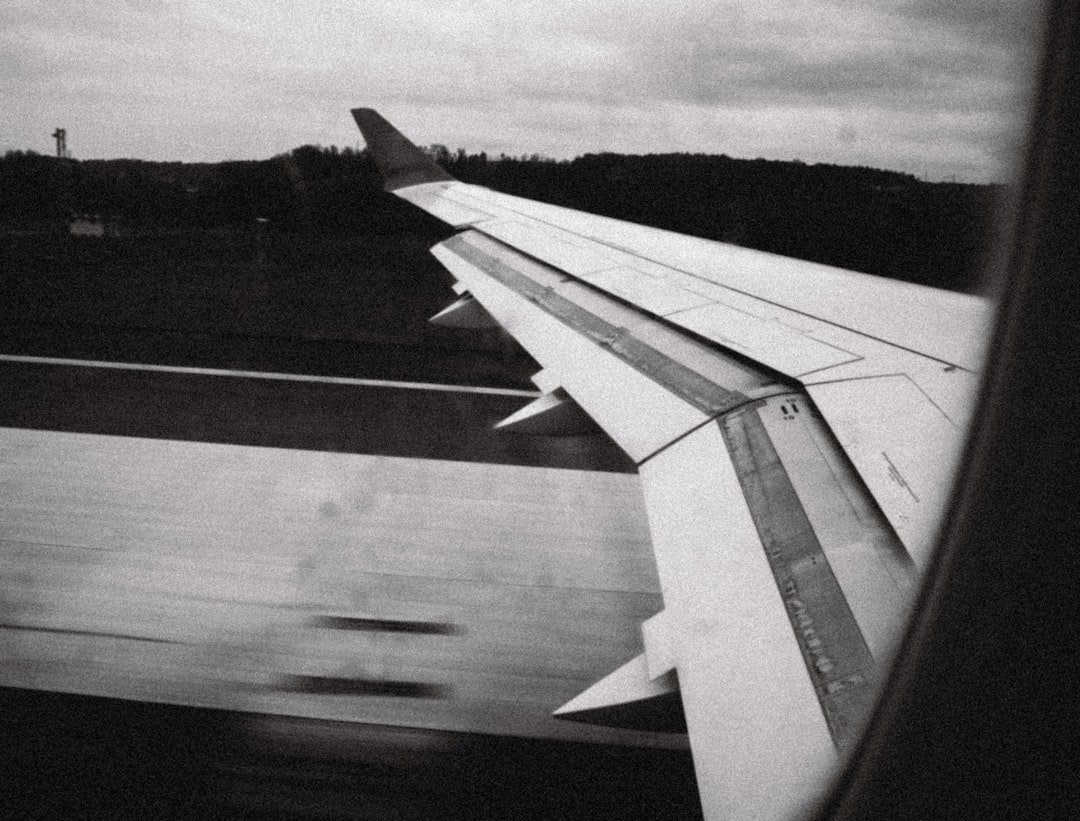
Porter Airlines has nearly tripled in size over the past three years, offering 183 percent more seats in 2025 than it did in 2022 and remaining on track for a further 16 percent capacity increase in 2026, according to The Points Guy. The Canadian carrier, which operated primarily from Billy Bishop Toronto City Airport for two decades, has pushed well beyond its downtown-Toronto roots and into the United States, Mexico and Western Canada.
Much of that expansion rides on a new aircraft. Porter introduced its first Embraer E195-E2 jet in 2023 and has since added more than 50 of the 132-seat planes, the report said, supplementing its older de Havilland Dash 8-Q400 turboprops. The airline opened a base at Toronto Pearson International Airport, extended service to Costa Rica, and added Austin-Bergstrom International Airport and Nashville International Airport as its latest U.S. destinations. At the new Montreal Metropolitan Airport, Porter plans 11 routes and 138 weekly flights by July.
Porter is privately held and does not disclose revenue or profitability. CEO Michael Deluce told The Points Guy the carrier is "now going from hyper growth to something that's more a sustained pace," and pointed to gains in load factor and average fare. The growth is not without risk: John Gradek, a McGill University aviation expert, described Porter's leadership as professionals who "know the business" but cautioned that experience "does not guarantee profits." Competition is also intensifying — Air Canada began flying U.S. routes from Porter's Billy Bishop base in March 2026.
What this means for remote workers and nomads
For anyone choosing a North American base, more capacity from a growing carrier usually means more route options and downward pressure on fares — and Porter's recent additions read like a list of nomad-friendly hubs. Austin and Nashville are established remote-work cities with strong coworking scenes, while new links to Costa Rica and Mexico open warm, lower-cost workation options within easy reach of Canadian and U.S. travelers. If you're weighing where to set up for a season, a carrier adding seats to your shortlist can quietly tip the math. The same flexibility that lets nomads relocate fast also lets them chase fare competition, and Porter's expansion gives that strategy more room to run. It pairs well with the essential skills digital nomads should build before 2026 — including knowing how to plan a flexible, low-commitment travel base.
That said, hyper-growth carries its own caution. Deluce's own framing — a shift from "hyper growth" to a "sustained pace" — and Gradek's reminder that strong operators still aren't guaranteed profits are worth keeping in mind. Fast-expanding airlines sometimes trim newer routes that underperform, so a city that looks well-connected today may not stay that way. The practical hedge for nomads is the same as always: book refundable or flexible fares on the newest routes, don't anchor a multi-month stay to a single carrier's schedule, and keep a backup connection in mind. Treat new service as a welcome option, not a guarantee, and the growth works in your favor without locking you in.
Sources
"Canada's Porter Airlines has nearly tripled in size in 3 years. Is it sustainable?" — The Points Guy, accessed 2026-06-23
"Porter launches flights from Montreal's new downtown-area airport" — Air Data News, accessed 2026-06-23
You Might Also Like

Travel + Remote Work Briefing — October 15, 2026

Travel + Remote Work Briefing — October 14, 2026

Travel + Remote Work Briefing — October 13, 2026