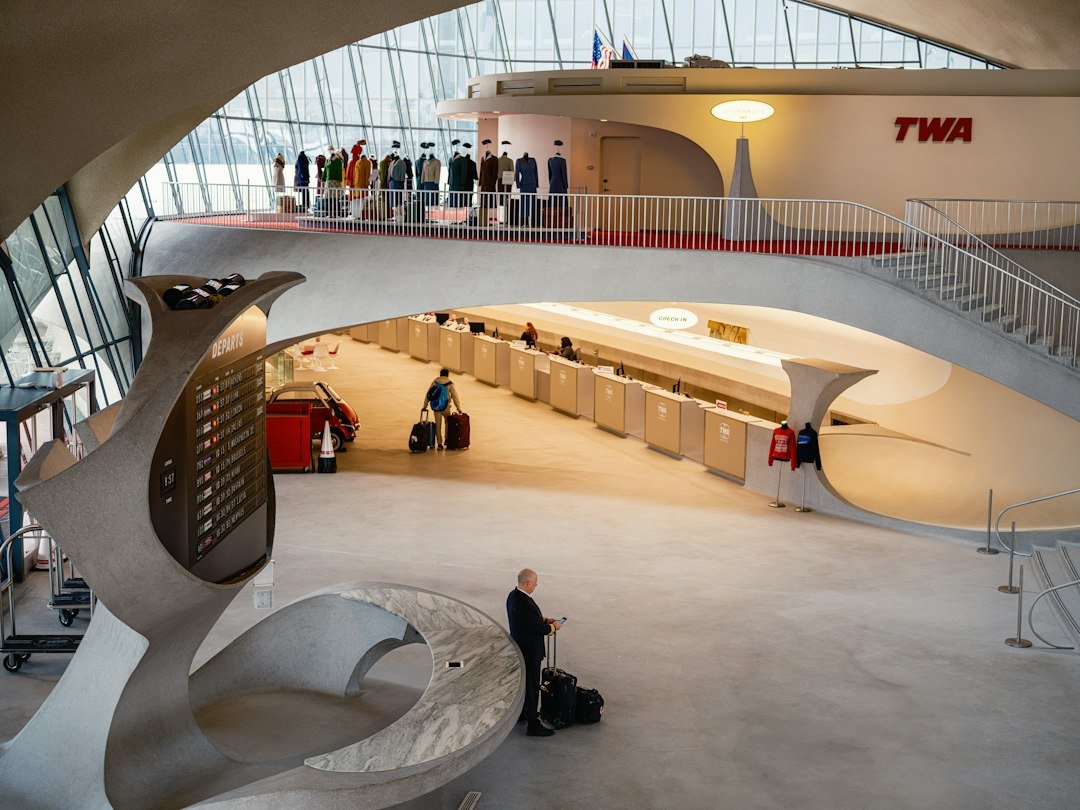
How US Airports Are Gearing Up for 2026 World Cup Travel
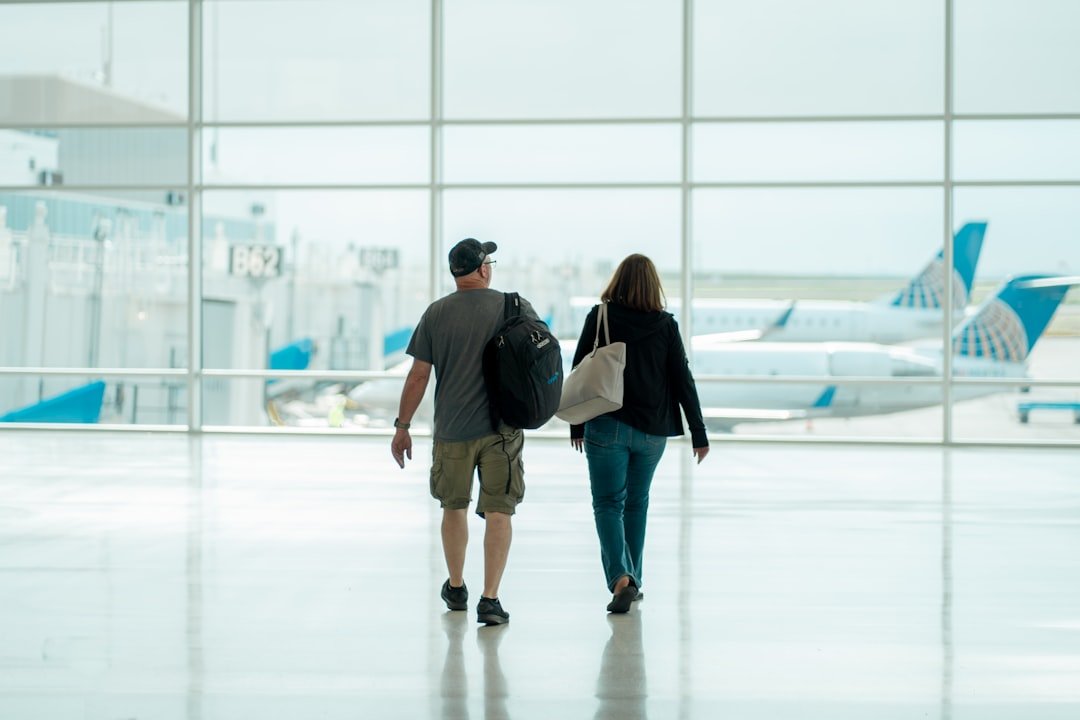
US host-city airports are rolling out terminal expansions, themed fan zones and added air service as the 2026 FIFA World Cup gets underway, with 78 of the tournament's 104 matches scheduled across 11 American cities between June 11 and July 19. The Points Guy on Saturday published a roundup of preparations at each US host airport, from Atlanta to Seattle.
The 11 US host airports include Hartsfield-Jackson Atlanta International (ATL), Boston Logan (BOS), Dallas Fort Worth (DFW) and Dallas Love Field (DAL), Kansas City International (MCI), Miami International (MIA), New York's LaGuardia (LGA), JFK and Newark (EWR), Houston's George Bush Intercontinental (IAH) and William P. Hobby (HOU), Los Angeles International (LAX), Philadelphia International (PHL), Seattle-Tacoma (SEA) and San Francisco International (SFO). Canada and Mexico are hosting the remaining 26 matches in Toronto, Vancouver, Guadalajara, Mexico City and Monterrey.
According to The Points Guy's reporting, the most substantive infrastructure work has happened in Seattle and Dallas. SEA finished a three-year Concourse C upgrade ahead of the tournament, and DFW opened nine new or refurbished gates in Terminal C. Airlines have also added World Cup-related flights and special routes into the host cities, the outlet reported, with commemorative liveries appearing across multiple carriers.
Most other host airports are layering on visible but lower-impact additions: fan zones with large screens (Miami near gate E5 and along the Concourse H-J connector; IAH's Terminal A with 176 televisions; HOU with 50), official FIFA merchandise pop-ups and vending machines, photo-op stations, and watch parties. Kansas City is running live music on six match days and food and drink tastings June 15 through July 14, per The Points Guy. LAX is operating an official FIFA store in Terminal 7.
What this means for remote workers and nomads
For nomads moving between US bases through the tournament window, the practical takeaway is that the airports themselves are mostly the same airports — the changes are crowd density and gate experience, not capacity expansions that materially shorten lines. Seattle and DFW are the exceptions worth noting if you're routing intentionally: both have actually added gate throughput.
If you're commuting between coworking stints on match days, the host-city hubs are where dwell time will get unpredictable, especially around the cities hosting knockout-stage games in early-to-mid July. ATL, LAX, MIA and the New York airports (JFK, LGA, EWR) are the busiest US hubs in normal conditions and will absorb the most overlap between fans and regular travelers. Routing through a non-host hub — Charlotte, Phoenix, Minneapolis, Detroit — on the heaviest match days is a reasonable hedge if your itinerary is flexible.
A few practical notes for the next five weeks: book early on match-day routes into host cities, expect ground transportation surge pricing around stadium days, and budget extra airport time even at gates that aren't directly hosting fan zones. If your travel cadence already runs lean, our digital nomad starter kit covers the gear and connectivity setup that keeps a delayed connection from becoming a missed work block. For nomads weighing whether to stay put through the tournament, our 2026 travel-savings guide flags the post-July 19 window as a likely price reset.
Sources
"How US airports are preparing for the 2026 World Cup" — The Points Guy, accessed 2026-06-13. https://thepointsguy.com/guide/world-cup-airports/
You Might Also Like
Travel + Remote Work Briefing — October 15, 2026

Travel + Remote Work Briefing — October 14, 2026
Travel + Remote Work Briefing — October 13, 2026